The Kenya National Commission on Human Rights (KNCHR) has begun developing a national framework to guide compensation and reparations for victims of human rights violations, following a High Court ruling and a presidential directive requiring the commission to present a report within 60 days.
In a press statement issued Friday, the commission said it has initiated technical work to design a comprehensive reparations policy aimed at addressing the harm suffered by victims of protest-related and other rights violations across the country.
The commission said the process includes mapping areas most affected by human rights abuses and consulting key stakeholders to ensure the framework is credible and transparent.
“The Kenya National Commission on Human Rights wishes to inform the public, victims and survivors that the process of developing a Framework for Compensation and Reparations to victims of human rights violations has commenced,” the commission said in the statement.
The initiative follows a landmark judgment delivered on December 4, 2025, by the High Court in Kerugoya in a consolidated constitutional petition that affirmed KNCHR’s mandate to design a reparations framework under Article 59 of the Constitution and the KNCHR Act of 2011.
The court ruling reinforced the commission’s role in promoting and protecting human rights, including developing mechanisms for redress for victims of violations.
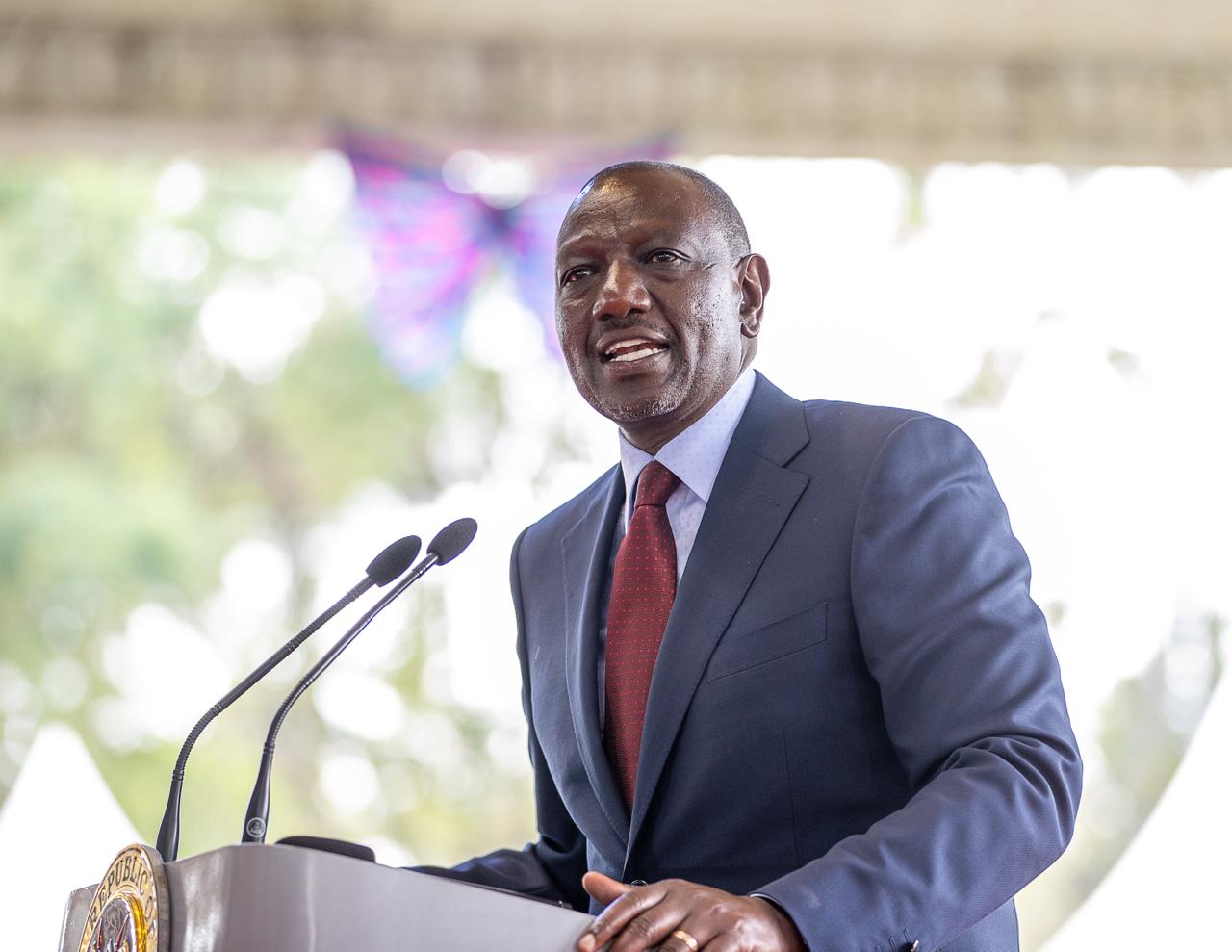
The process also comes after a proclamation and Gazette Notice issued on March 6, 2026, by President William Ruto directing the commission to prepare and submit a report outlining the proposed compensation and reparations framework within 60 days.
KNCHR acknowledged that many victims and families have endured prolonged suffering while waiting for justice and support.
“The Commission acknowledges the pain, loss and anxiety experienced by victims, survivors and their families as well as the public concern that reparations have taken too long,” the statement said.
However, the commission emphasized that compensation is only one component of a broader reparations programme aimed at restoring dignity and addressing the full impact of human rights violations.
“Compensation, while important, is only one form of reparations,” the commission said, adding that a comprehensive programme must also include restitution, rehabilitation, satisfaction measures such as acknowledgement and memorialization, and guarantees of non-repetition through institutional reforms.
According to KNCHR, the development of the framework will follow a structured roadmap that includes the formation of technical committees bringing together commissioners, government institutions, independent oversight bodies, civil society organizations, and representatives of victims and survivors.
The commission said the consultations will be guided by national values and principles of governance, including public participation.
Details of stakeholder engagements and public consultations will be communicated through official public notices, the commission’s website and social media platforms, as well as community forums.
KNCHR said it will submit the final report containing the proposed framework to the president in line with Article 254(2) of the Constitution and Section 53(3) of the KNCHR Act.
The commission also appealed to lawmakers and the National Treasury to facilitate the process by allocating adequate resources.
“The Commission urges Parliament and the National Treasury to urgently approve and disburse the requisite funds to enable the Commission to discharge this critical national function,” it said.
At the same time, KNCHR called on victims of human rights violations; including those affected during protests and demonstrations to come forward and submit evidence supporting their claims.
Victims have been asked to provide documents such as medical reports, police occurrence book records, P3 forms and post-mortem reports for verification before April 3, 2026.
The commission said submissions can be made through its head office in Nairobi, regional offices across the country, and through various communication channels including SMS, telephone hotlines, email and WhatsApp.
KNCHR reiterated that the reparations framework aims to provide meaningful redress for victims while strengthening accountability and preventing future violations.
“The Commission reiterates its unwavering commitment to the rule of law, safeguarding human rights, and securing appropriate redress for all victims and survivors in line with international human rights principles and standards,” it said.